Spatially Resolved Optical Coating Measurements
MAKING SPATIALLY RESOLVED COATING METROLOGY PRACTICAL
Optical coatings are fundamental to modern photonics: from anti-reflective surfaces and precision filters to beam splitters, high-performance mirrors, and semiconductor devices. Their performance depends on layer thickness, refractive index, uniformity, and manufacturing consistency. When coatings fail, they rarely fail everywhere at once. They fail locally: a thickness gradient near the edge, a process-induced defect towards the center, a subtle non-uniformity that only becomes apparent at the system level.
Traditional spectrophotometers measure transmission or reflection through a relatively large sampling spot. These bulk measurements are effective for general characterization but inherently average across the sample surface, obscuring the localized variations that matter most. A coating may pass inspection while harboring defects that compromise real-world performance.
Point-resolved spectroscopy takes a different approach. Rather than producing a single averaged measurement, it acquires spectra at precise locations across a sample, revealing how coating properties vary from point to point.
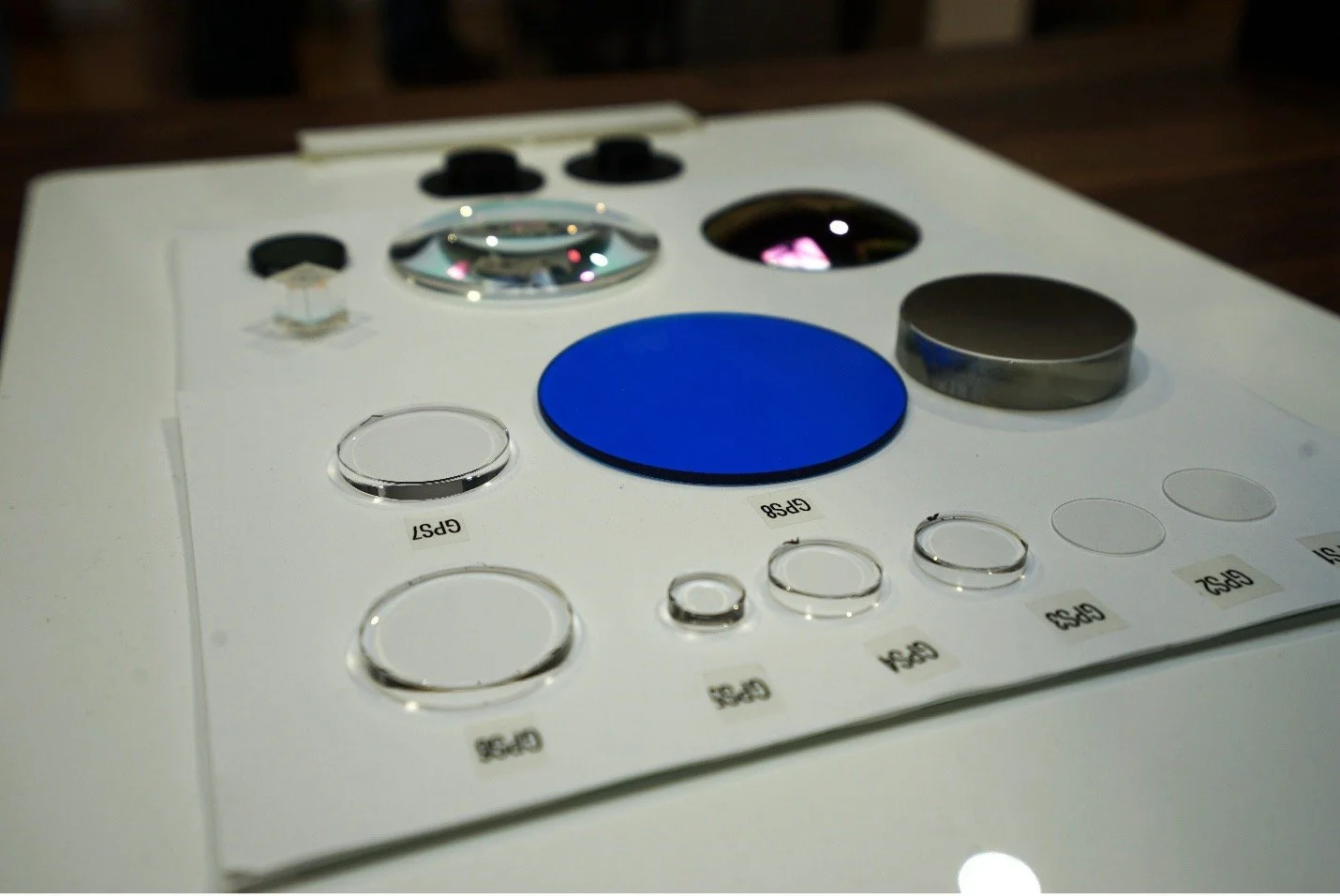
Figure 1—Samples being prepared for MODI coating inspection.
Point-Resolved Spectroscopy with MODI
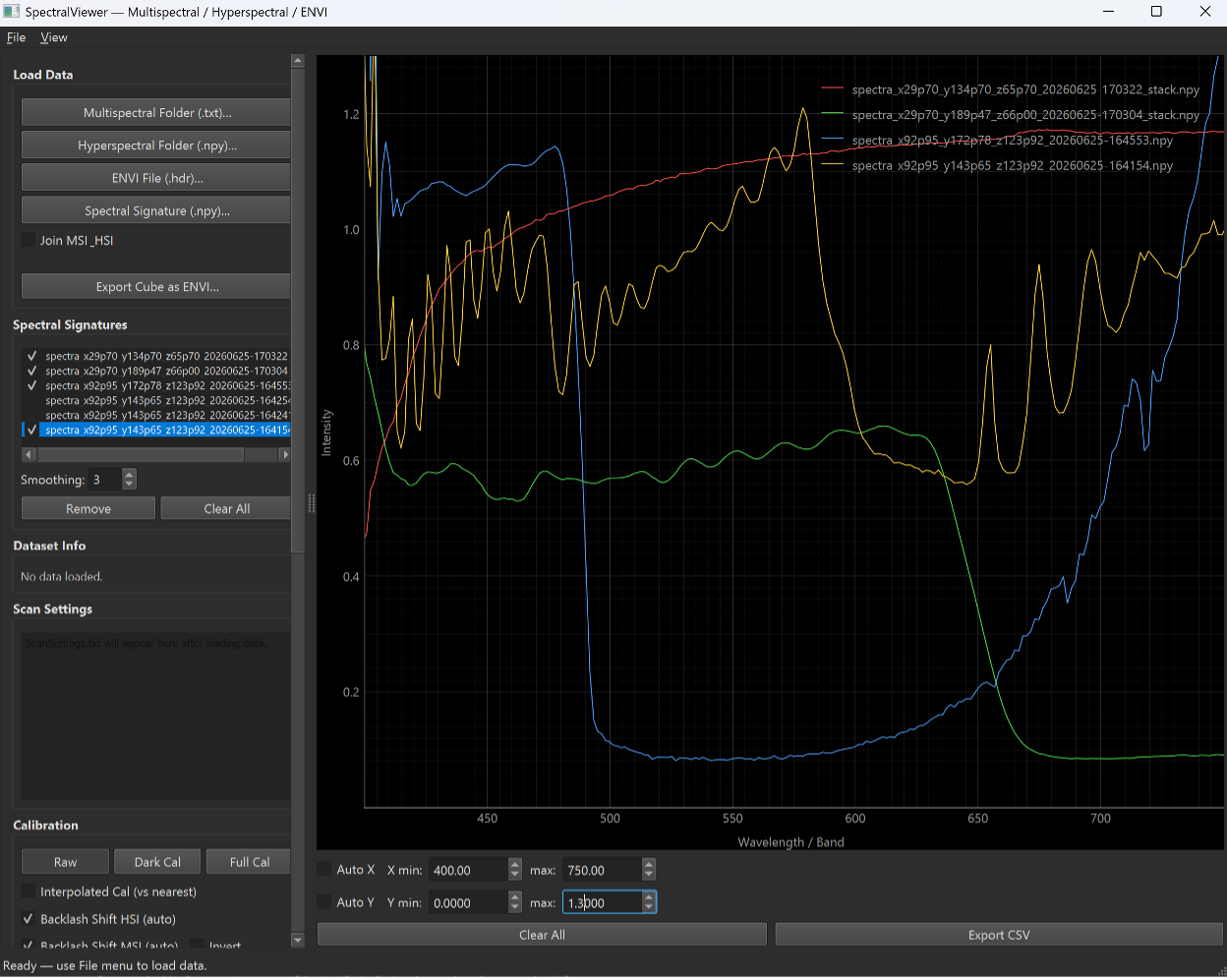
Figure 1—Visible spectral signature of various substrates and multi-layer coatings. Note, spectroscopy capabilities can be upgraded to extended ranges of spectral sensitivity between 250nm-2500nm.
The MODI platform integrates automated microscopy with point-resolved spectroscopy, delivering spatial and spectral information from the same sample in a single automated workflow.
Where traditional tools give you one number for the whole part, MODI lets you interrogate specific locations identified through micron-scale imaging. This means engineers can:
Measure coating thickness at discrete points across an optic or wafer — not just the center
Investigate localized defects by correlating spectral anomalies with visible surface features
Map coating uniformity through hyperspectral imaging across the full surface
Compare edge, center, and process-critical regions within the same measurement session
Track batch-to-batch consistency with spatially matched measurement points
The result is a direct and automated path from defect identification to characterization.
Thickness gradients, process drift, and localized non-uniformities are manufacturing signatures. Catching them requires measurements with the spatial resolution to see them. For process engineers, this means earlier detection of drift before it affects yield. For quality teams, it means inspection data that reflects how a part will actually perform in the system, providing more than a nominal transmission curve.
For applications where localized performance matters, MODI makes spatially resolved coating metrology practical—turning what was once a research-grade technique into a routine inspection workflow.